
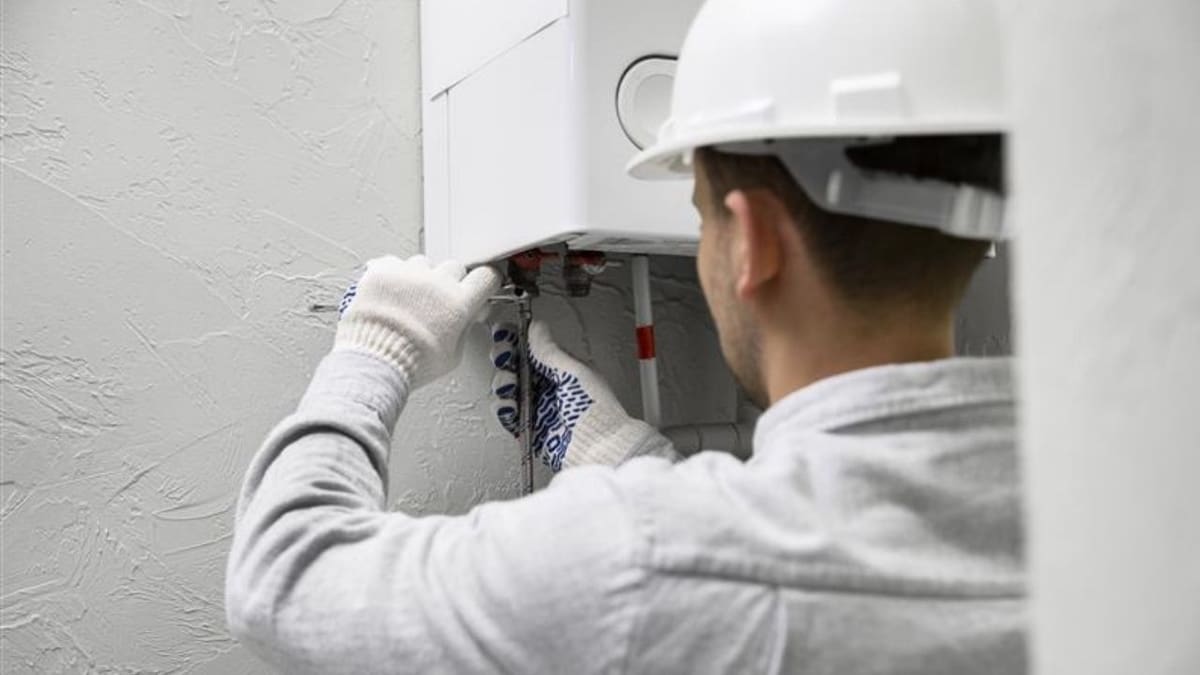

Most homeowners rely on hot water on a daily basis, from showers to cooking to washing dishes. However, selecting, installing, and maintaining a water heater is no small task, and although it’s out of sight, it shouldn’t be out of mind, either. If you ever decide to upgrade or replace your system, knowing the steps involved in water heater installation services in Maryland can be a huge benefit to save time, money and future hassle.
Water Heater Installation Matters
A water heater isn’t just an appliance, it’s a system that impacts your home’s comfort, energy efficiency, and utility bills. A poorly chosen or improperly installed unit can lead to:
-
High energy costs from inefficiency
-
Inconsistent water temperature
-
Potential leaks and water damage
-
Shortened appliance lifespan
Types of Water Heaters for Homeowners
Before installation begins, it’s important to choose the right type of water heater for your household.
1. Traditional Tank Water Heaters
These devices, which come in different sizes (30–80 gallons), store and heat water in a sizable tank. They’re reliable and generally more affordable upfront.
2. Tankless Water Heaters
Also referred to as “on-demand” heaters, these units generate hot water whenever you call for it and could provide energy savings as well as an endless supply of hot water. They are more expensive initially, but they are more compact and effective.
3. Hybrid Water Heaters
Combining tank storage with heat pump technology, hybrids use less energy than traditional models while still meeting high demand.
4. Solar Water Heaters
A sustainable option that uses solar panels to preheat water, reducing reliance on electricity or gas. Although installation may cost more up front, it saves money over time.
Each type comes with its own advantages, and working with a trusted provider of water heater installation services in Maryland ensures you choose the best fit for your home.
Steps in Professional Water Heater Installation
While every project varies slightly depending on the system, the general process includes the following steps:
Step 1: Site Evaluation
Professionals assess your home’s water demand, fuel source (gas, electric, or solar), and available space to recommend the most efficient system.
Step 2: Removal of the Old Unit
The old water heater is carefully drained, disconnected, and removed, following safety standards to prevent leaks or hazards.
Step 3: Preparing the Installation Area
This may include upgrading plumbing connections, electrical wiring, or venting systems to accommodate the new unit.
Step 4: Installing the New Water Heater
The unit is positioned, secured, and connected to water lines, gas or electric hookups, and venting. For tankless systems, wall mounting and pipe adjustments may be required.
Step 5: Testing and Inspection
Once installed, technicians test water temperature, pressure, and safety valves to ensure proper operation. Most Maryland jurisdictions require inspection for compliance.
Step 6: Final Adjustments and Homeowner Guidance
The installer sets the thermostat for energy efficiency and provides instructions on maintenance, warranty coverage, and troubleshooting.
Common Mistakes Homeowners Should Avoid
DIY installation may seem tempting, but water heaters involve plumbing, electrical, and sometimes gas connections making professional help essential. Common mistakes include:
-
Choosing the wrong size unit for household needs
-
Skipping local code compliance and permits
-
Improper venting, leading to safety risks
-
Incorrect water pressure settings, which reduce appliance lifespan
By hiring experienced water heater installation services, homeowners avoid these pitfalls while ensuring warranty protection.
Maintain Your Water Heater After Installation
Regular maintenance keeps your water heater running efficiently:
- Flush the Tank Annually – Removes sediment buildup that can lower efficiency.
- Inspect the Anode Rod – Protects the tank from corrosion and extends its life.
- Check the Pressure Relief Valve – Ensures safety in case of overheating or pressure spikes.
- Insulate Pipes and Tank – Helps retain heat and reduce energy usage.
- Schedule Professional Inspections – Annual checkups keep small issues from turning into costly repairs.
Tankless and hybrid systems require less frequent maintenance but still benefit from professional service.
Choose Professional Services in Maryland
When choosing a professional company for water heater installation services in Maryland, homeowners should look for the following things:
-
Licensed and insured contractors with proven experience
-
Transparent pricing and free estimates
-
Emergency service availability for unexpected breakdowns
-
Positive local reviews reflecting reliability and quality
-
Commitment to safety and efficiency
By working with trusted Maryland experts, you can rest assured that your installation meets state codes, maximizes energy savings, and delivers consistent hot water for years to come.
Conclusion
A reliable water heater is essential for daily comfort and installing one correctly is just as important as choosing the right model. With professional water heater installation services, homeowners can:
-
Improve energy efficiency
-
Save on long-term costs
-
Enjoy consistent hot water supply
-
Extend the lifespan of their investment
Working with professionals guarantees dependability and peace of mind while establishing a new system or upgrading an old one. For Maryland homeowners, a well-installed water heater isn’t just a convenience, it’s a cornerstone of modern living.